This service is for ecommerce wellness brands building a sauna, cold-plunge or adjacent wellness range for online sales. Align the selected products with current product facts, listing content, packaging, fulfilment inputs, delivery information and support responsibilities before the offer goes live.
Stock, lead time, fulfilment arrangements, spare-parts availability, warranty, returns handling and customer-support scope remain program-specific until confirmed.
For: online wellness brands managing product listings, fulfilment coordination and customer-support expectations across one or more ecommerce channels.
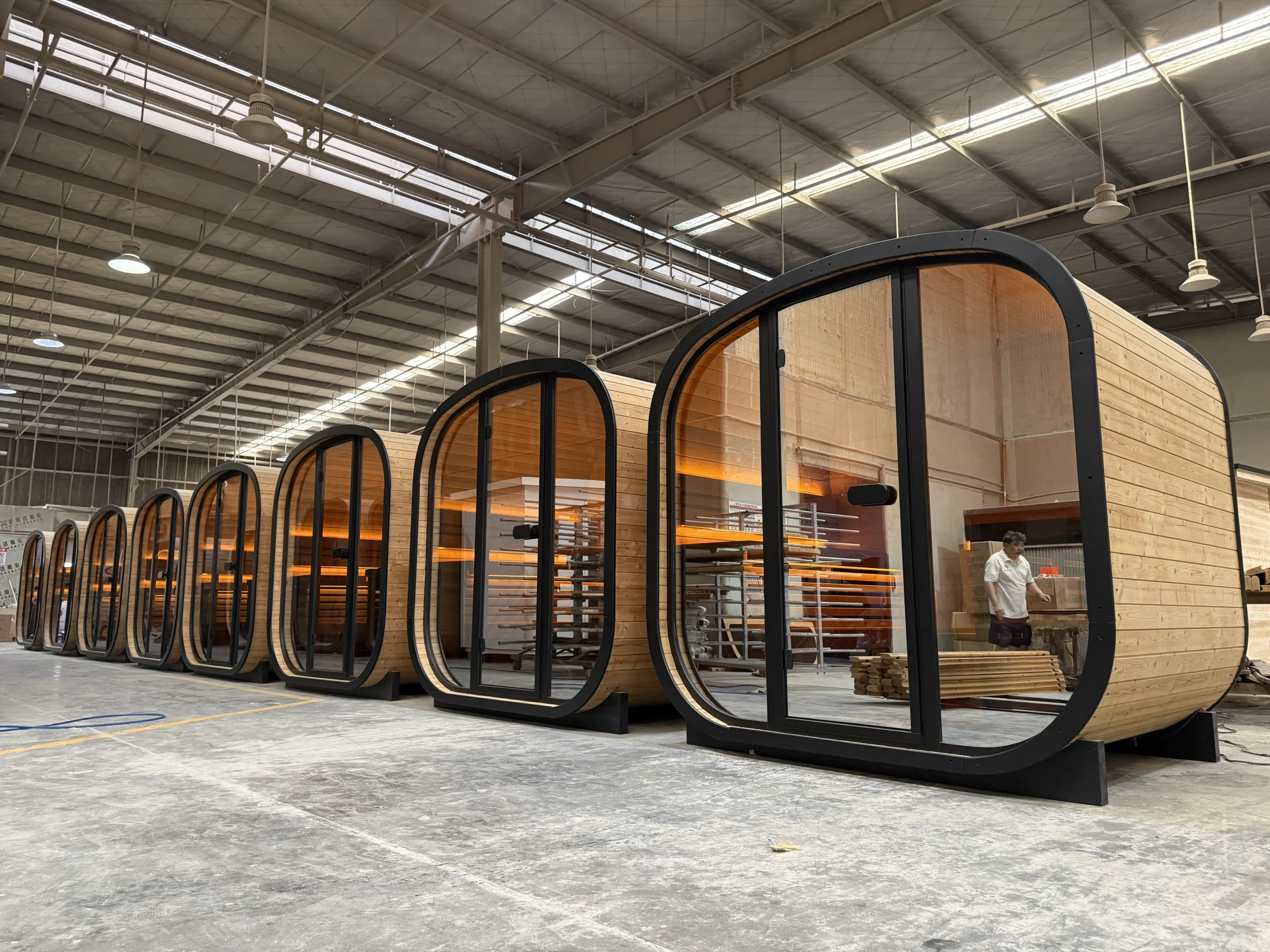
Representative assortment context only. Visible equipment does not confirm the approved ecommerce range, included configuration, stock, fulfilment scope or listing assets.
An ecommerce listing becomes part of the customer-facing commercial offer. The selected product, listing facts, fulfilment assumptions and support terms should therefore refer to the same approved program basis.
An online seller coordinating product selection, listing content, fulfilment and post-purchase expectations for a defined market.
Select products that can be represented online with current facts, approved content inputs and a clear commercial coordination.
Sales channel, inventory location, fulfilment arrangement, destination, delivery constraints and customer coordination can change the viable online offer.
Move the proposed range into exact-model, packaging, documentation, logistics and quotation review without assuming standard ecommerce terms.
Keep the online offer tied to a controlled program basis. Exact availability, MOQ, pricing, timing, fulfilment arrangements and support terms remain commercial review items rather than promises from this page.
Define the current product or exact model, applicable configuration, inclusions and the product information that will control the listing.
Use current product facts, approved images, manuals and included-item information. Use the current approved product information as the final specification, not an older page, catalogue image or representative photograph.
Record destination, inventory or warehouse assumptions, fulfilment route, packaging, delivery information and handling constraints that need commercial confirmation.
Define customer-support, spare-parts, warranty, returns and escalation requirements before they appear as customer-facing commitments.
The objective is not to turn the ecommerce team into product engineers. It is to separate publishable product information from the model-, market- and order-specific questions that still require confirmation.
Use current product information for dimensions, materials, capacity labels, heat or cooling route references, included components and other applicable model facts. Keep model and revision scope visible.
Images, category names and marketing copy should not imply unconfirmed options, stock, included accessories, performance, delivery scope or installation readiness.
Specifications, manuals, labels, warnings, drawings and destination-document or compliance questions must be checked against the selected product, configuration, revision and market.
Stock, timing, fulfilment, spare parts, warranty, returns, customer support and other commercial terms remain open until they are confirmed for the actual ecommerce program.
Real product and packaging images can help a brand understand form, presentation and handling context. They do not by themselves establish the approved listing, exact configuration, packing method, availability or commercial scope.
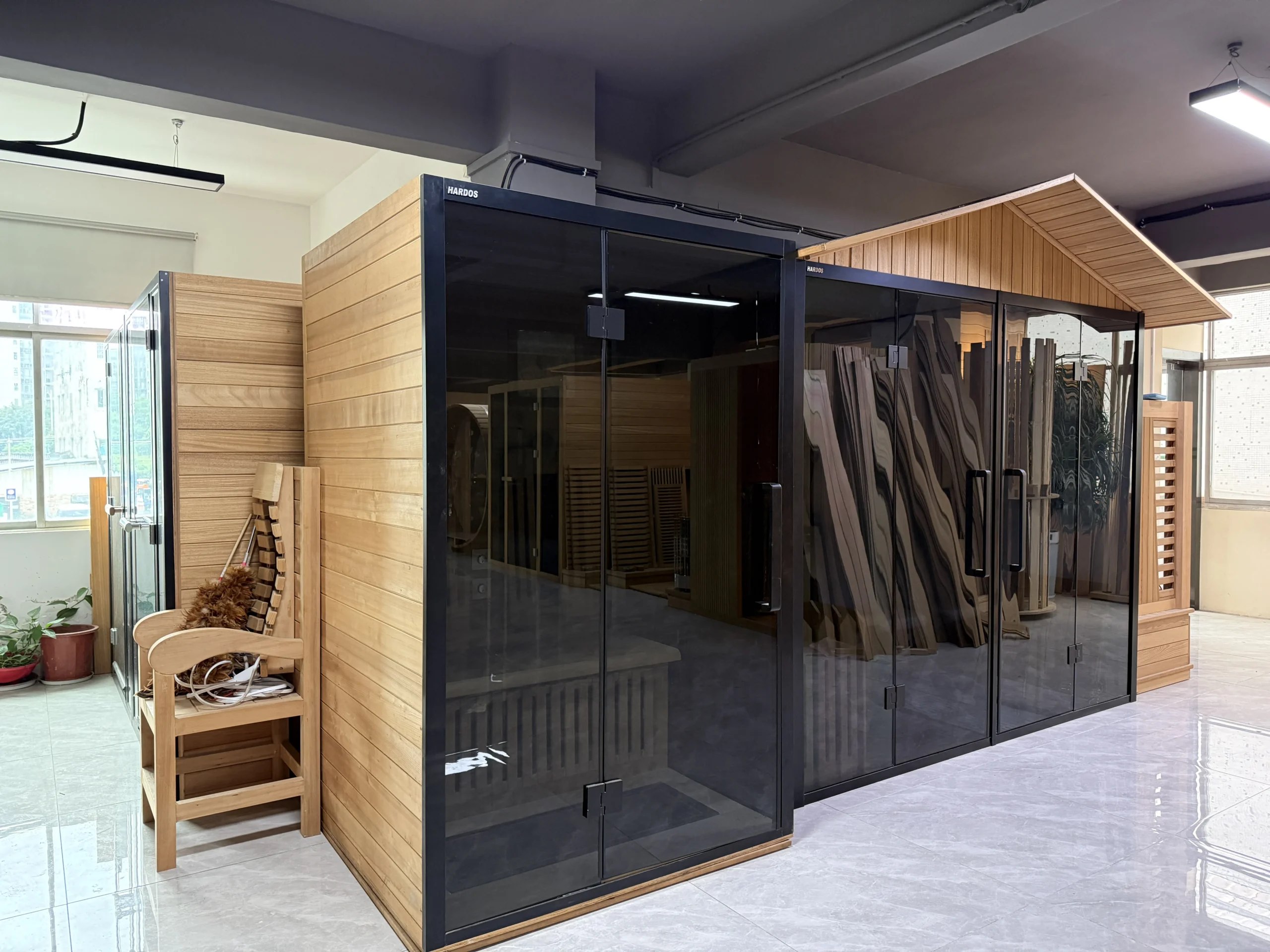
Showroom reference only. Visible features are not automatically part of a selected ecommerce product, approved listing or supplied configuration.

Packaging context only. Packing method, labels, package contents, dimensions, weights and delivery responsibility remain order-specific.
Keeping these responsibilities separate prevents the ecommerce page from implying automatic branding, universal fulfilment, fixed packaging or support commitments.
Covers product-range readiness, listing accuracy, ecommerce fulfilment inputs and customer-support boundaries before publication.
Use when: branding, artwork, labels, manuals, packaging presentation or controlled product changes become the dominant decision.
Use when: the next decision concerns packing form, package information, shipment basis, handling, delivery or receiving responsibilities.
Use when: the question becomes order-, model-, part- or case-specific, including troubleshooting, replacement parts or after-sales routing.
An ecommerce shortlist is ready for commercial review when the selected routes, product identity, listing basis, fulfilment inputs and support requirements are clear enough to compare the same scope.
Confirm: current product or model · applicable configuration and inclusions · listing facts and approved images · manuals and labels · packaging and fulfilment inputs · delivery information · destination-market questions · support responsibilities · quantity basis and target timing.
Do not assume: fixed stock, MOQ, lead time, dropshipping, universal fulfilment, spare-parts bundles, warranty or returns handling, customer-support scope, certificate coverage or pricing.
Core sauna route: use the Sauna Hub to build the sauna portion of the ecommerce range from current category and model information.
Core cold-plunge route: use the Cold Plunge Hub to build the cold-plunge portion of the range from current category and model information.
Optional extension: add wood-fired hot tubs only when the program can support the related site, water, stove, chimney, packaging and customer-information requirements.
Keep product facts, ecommerce operations and commercial commitments tied to the current product and written program review. Open items should remain visible instead of being converted into assumptions.
Use this page when the main job is to align an online wellness product range with accurate listing content, fulfilment inputs and support responsibilities before publication. If branding or product customization is the main decision, use the Private-Label Brands route.
No. Online content should follow current information for the selected product and approved program scope. A representative image or prior listing does not confirm final dimensions, options, inclusions, availability or performance.
No standard arrangement should be assumed. Describe the intended inventory and fulfilment model in the ecommerce brief. Stock, warehouse, 3PL, marketplace or direct-to-customer responsibilities must be confirmed for the actual commercial program.
No. These items depend on the selected product, order, destination and agreed commercial scope and should be confirmed before they are published as customer-facing commitments.
Ecommerce Brands focuses on the accuracy and operational readiness of the online offer: product information, listing control, fulfilment, delivery and support responsibilities. Private-Label Brands focuses on the branded product program itself, including branding requirements and the route into Private Label, OEM or ODM review.
Send the target market, sales channels, selected product families or preferred models, quantity basis, listing-content requirements, intended fulfilment arrangement, packaging and delivery-information needs, destination-market questions, spare-parts and support expectations, warranty or returns questions and target timing. Identify unresolved items for follow-up.