Start with the offer the brand wants to put into the market before deciding how HACHILL should execute it.
Describe who the brand wants to sell to, where the offer will launch, how it will be sold and which HACHILL sauna or cold-plunge family is closest to that intended range. Then define the visible brand layer: identity files, product naming, labels, barcodes, manuals, languages and packaging presentation.
For this Solution route, sauna and cold plunge are the confirmed starting families. If the proposed range also includes Wood-Fired Hot Tubs or another family, flag it separately so the applicable route can be checked instead of assuming the same brand scope applies.
If the idea changes the product rather than mainly the brand layer, route it into OEM or ODM review instead of treating it as a normal branding request.
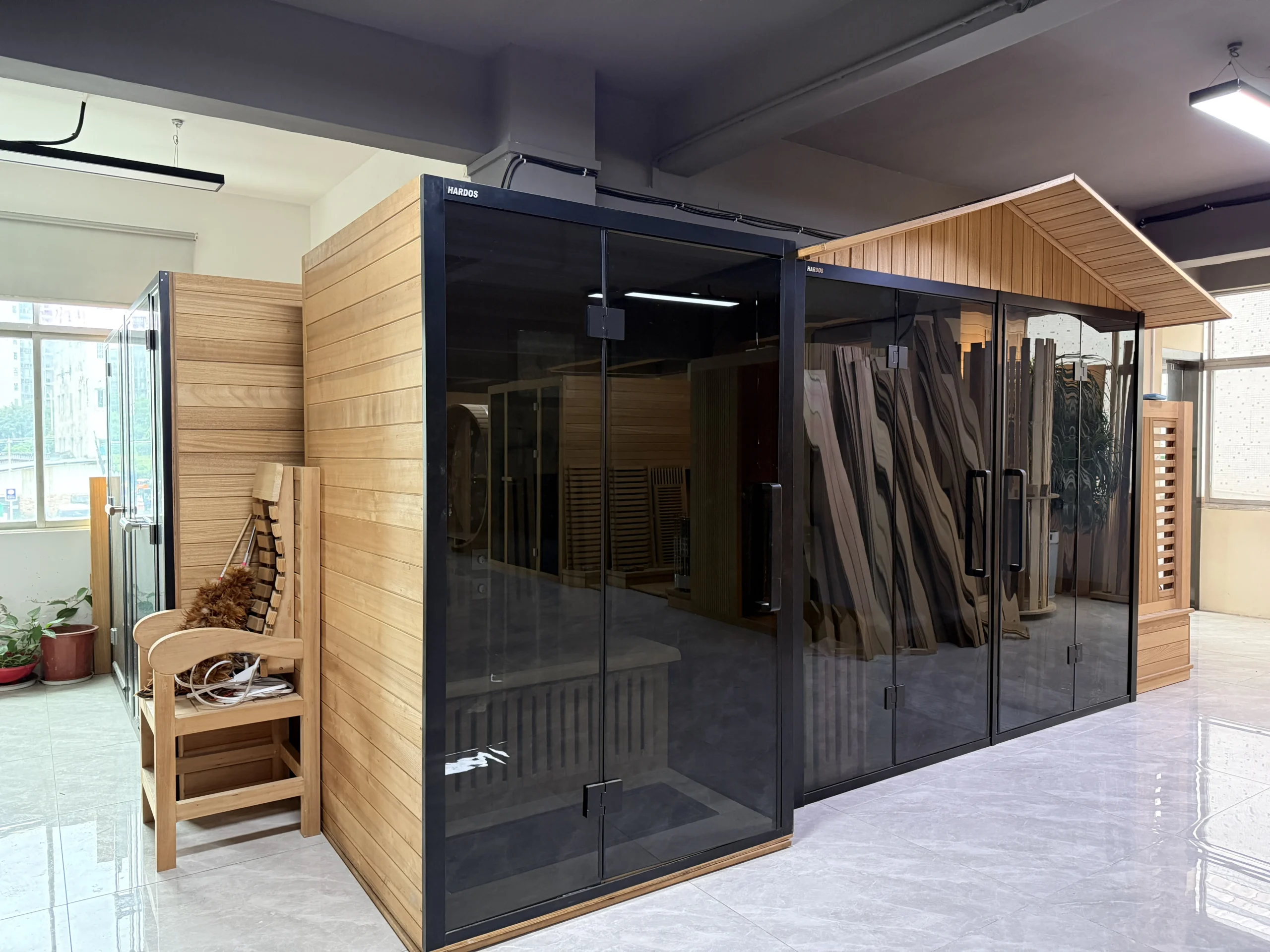
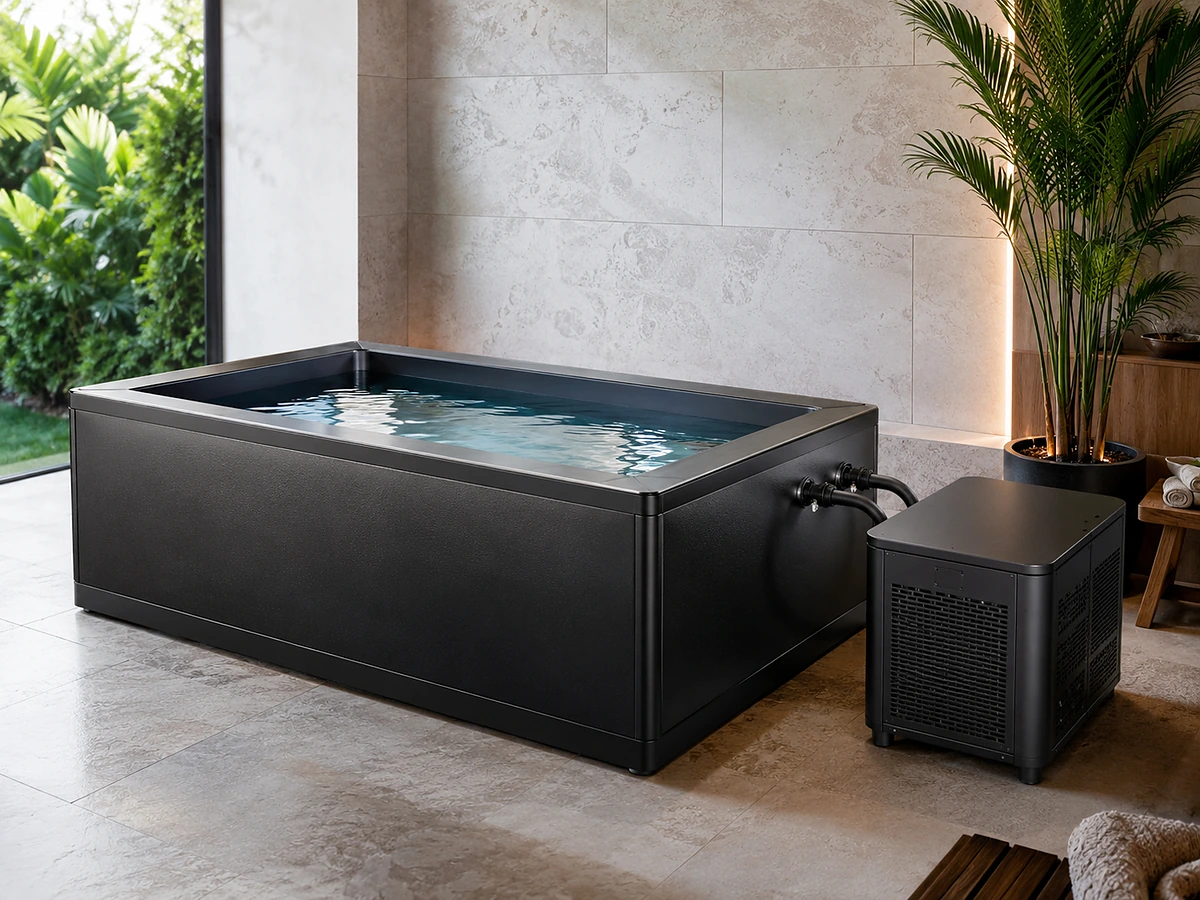
Current product context only. A representative sauna or cold-plunge image does not confirm private-label eligibility, approved branding, included options or final supplied configuration.
The first decision is the branded offer itself: target customer, destination market, selling model and the product family that could anchor the range. Artwork only becomes useful after that commercial direction is understandable.
Name the destination market and the customer the brand expects to serve. A consumer wellness offer, a commercial-project offer and a reseller-led range can need different product explanations, documentation and presentation.
Market context frames the offer, but it does not by itself prove certification coverage, legal labeling or destination-specific document requirements.
Explain whether the brand sells direct online, through dealers, retail, commercial projects or a mixed model, and whether the new range is intended to be a focused sauna line, a cold-plunge line or a broader wellness offer.
Listing operations, fulfilment, inventory and returns remain Ecommerce responsibilities rather than Brand Program planning.
Choose the current HACHILL sauna or cold-plunge family that best resembles the intended offer. A specific model can be added when known, but the first Brand brief can begin at family level.
A starting family is not a blanket customization promise; model eligibility, allowed brand treatment and any product-side change still require the applicable service review.
Keep unresolved items visible. Exact model, quantity, brand depth, packaging presentation, manual scope or the boundary between Private Label and OEM can remain open in the first inquiry.
Once the commercial direction is clear, assemble the customer-facing brand kit around that range: identity, naming, labels, customer information and packaging appearance. Shipment engineering belongs elsewhere.
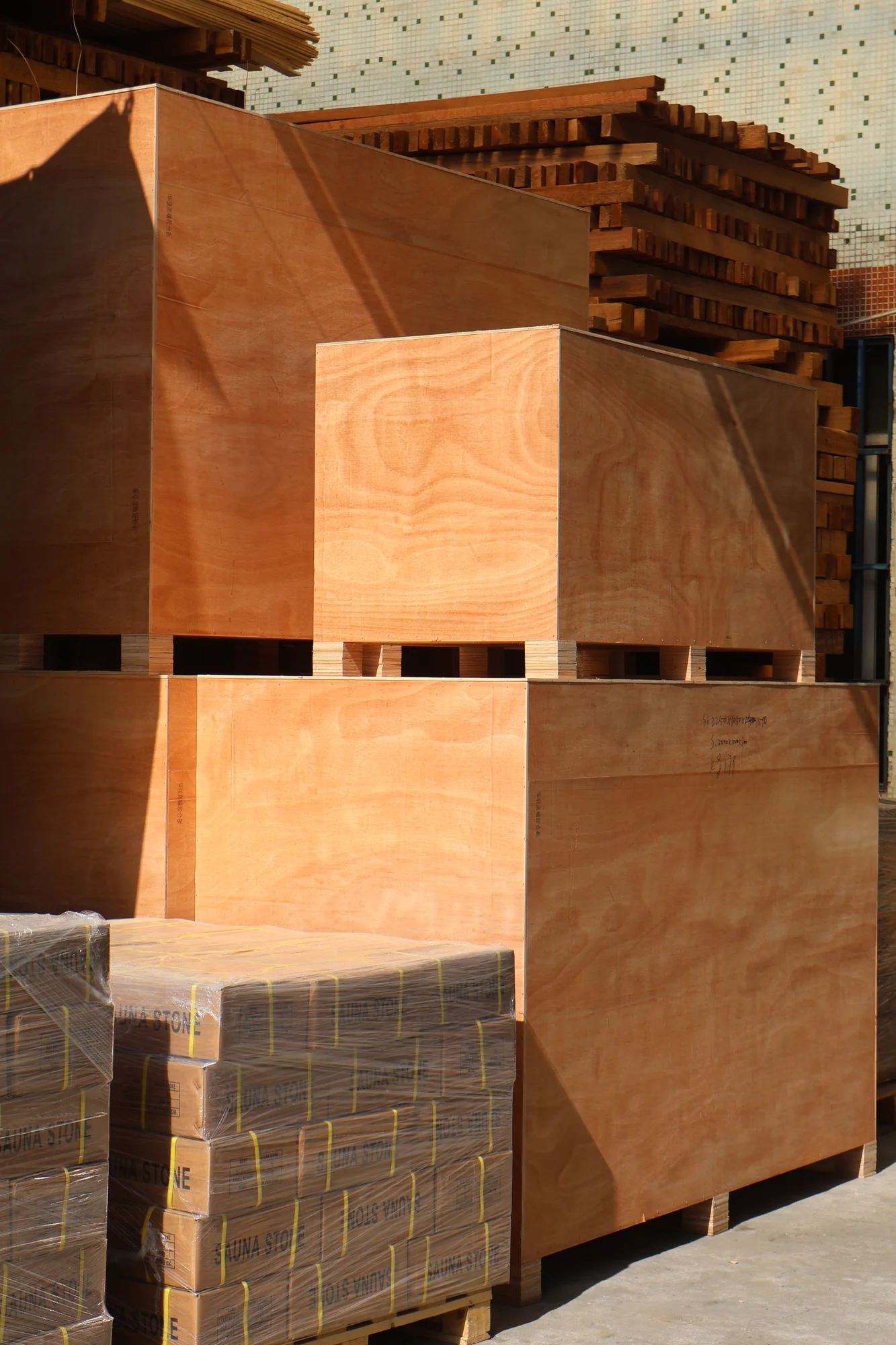
Packaging context only. Brand presentation, marks and customer-facing identification can be discussed here; packed dimensions, weights, package count and freight planning belong to Packaging & Logistics.
Provide the brand name, logo files, artwork status, usage rules and any brand guidelines that affect how the product should appear to the customer.
This establishes the desired brand presentation; production artwork control begins only after the program moves into the execution service.
List the product name, customer-facing labels, barcode needs and buyer-supplied marks the brand expects to see on the product or packaging.
Final compliant wording and production marking still depend on the actual model, destination and detailed execution review.
List the languages and customer information the brand expects to supply with the product, including manual or product-information needs where already known.
Do not treat certification, compliance documentation or translated regulatory material as available until it is confirmed for the exact model and destination.
Describe how the packaged product should look to the customer: brand identity, product identification, marks and any launch-facing presentation assets.
Packed dimensions, weights, package count, freight basis and shipment planning stay with Packaging & Logistics.
The useful question is how far the idea moves away from the current product. Branding-led changes stay closest to Private Label; controlled product changes move toward OEM; materially new requirements belong in ODM review. None of those labels guarantees feasibility.
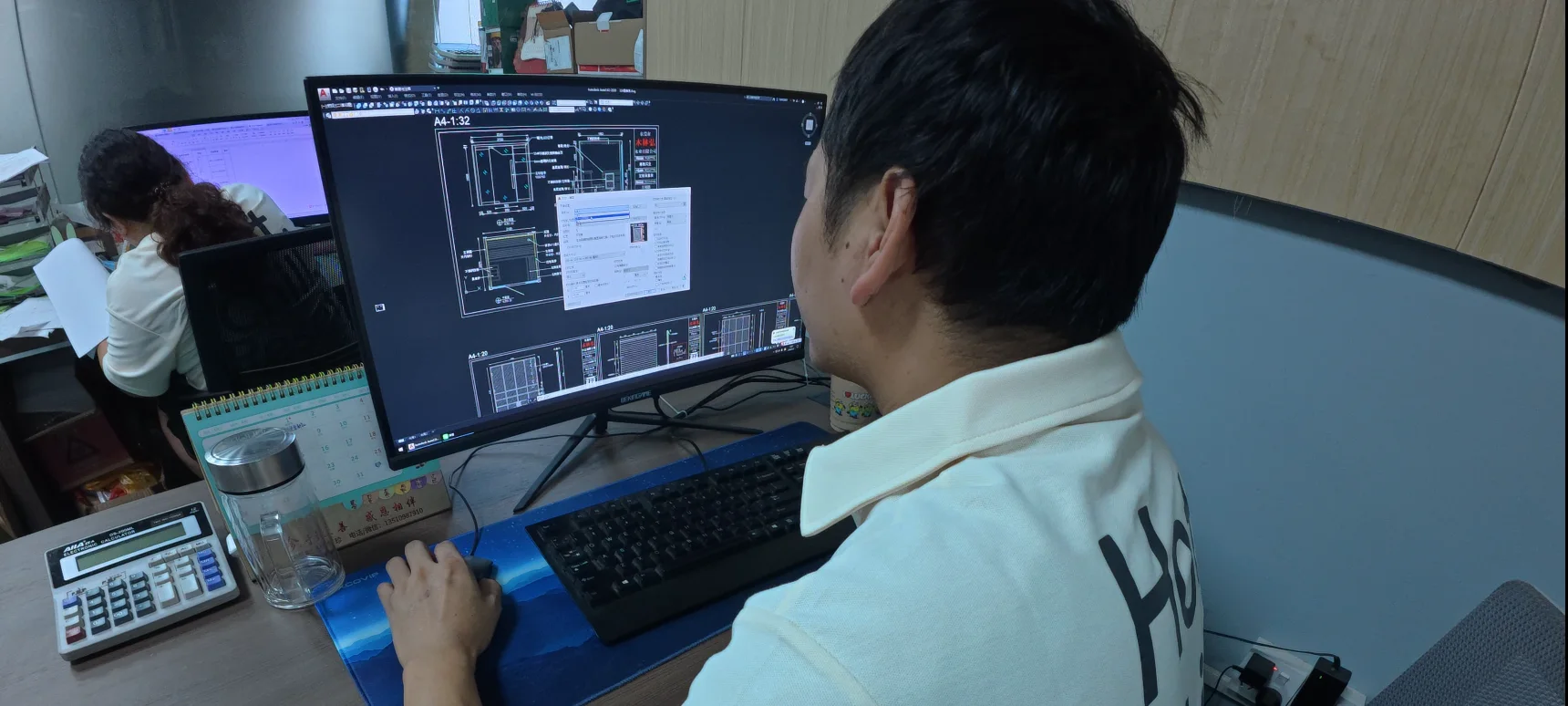
Requests involving components, materials, structure, interfaces or other technical changes should leave the brand-planning path and enter the appropriate product-change review.
The engineering image is process context only; it is not proof that any requested modification is approved or available.
The Brand Solution should stop once the branded offer and change depth are understandable. Detailed execution, inspection, shipment and post-delivery questions then move to their specialist pages. MOQ, sampling, production timing and commercial terms remain specific to the actual program.
Send the market, buyer, selling model, product direction and brand assets already known. The first inquiry can remain a business-and-brand brief rather than a production specification.
If the intended range includes Wood-Fired Hot Tubs or another family outside the confirmed sauna/cold-plunge starting scope, identify it separately for route review.