Start with the problem the new product needs to solve. HACHILL can then review feasibility, design requirements, interfaces, sample or prototype needs where appropriate, validation needs and the path toward repeatable production.
ODM is intended for materially new or unresolved product requirements that cannot be handled as a simple branding program or a reviewed modification to an established product.
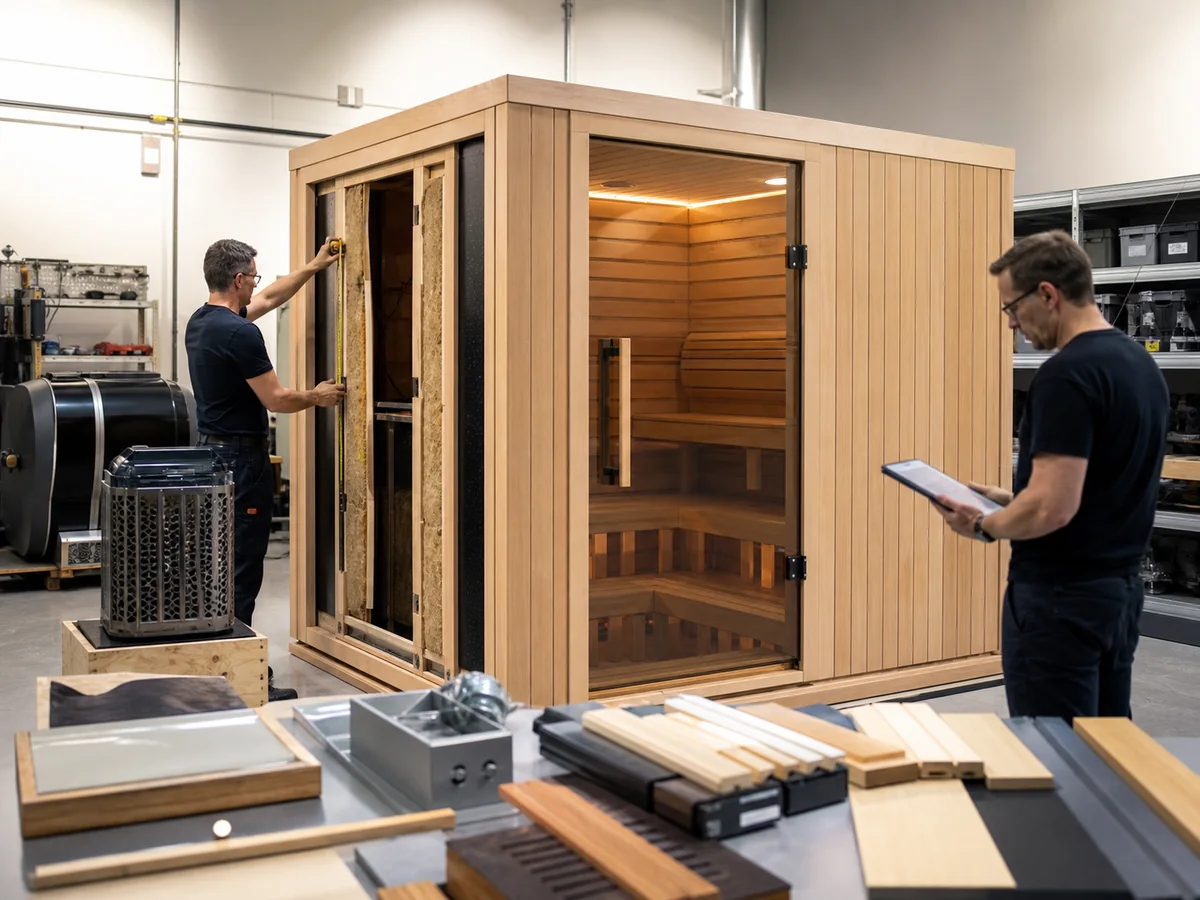
Representative development-review context. Actual drawings, specifications and development outputs depend on the product brief and the work required for that project.
Classify the work before comparing price or timing. A brand program, a reviewed product modification and a materially new product need different levels of development effort.
Use ODM when the requirement still needs real feasibility, design definition, development work and validation before it can become a repeatable product.
Use OEM when the base product is already established and the remaining work is a defined modification to finishes, components, documents, packaging or branding.
Use Private Label when the main requirement is branding, labels, manuals, packaging artwork and launch presentation around a current product.
A useful ODM brief makes known requirements, preferences, assumptions and open questions visible from the start. This gives feasibility and design work a clearer basis without pretending unresolved points are already settled.
Describe the user, use case, target market, operating context and the problem the product is intended to solve. Separate confirmed requirements from early preferences.
Record the performance needs, interfaces, utilities, dimensions, controls, materials and other conditions that may affect feasibility or design.
State expected quantity or project scale, cost constraints where relevant, required documents, target timing and any commercial or ownership terms that need separate written agreement.
The exact activities depend on the project. Tooling, fixtures, samples, prototypes, pilot work and validation records are conditional items and should be included only when the development scope requires them.
Review whether the requirement is technically, commercially and operationally suitable for further development, and keep unresolved assumptions visible.
Translate the agreed product need into clearer design inputs and review materials, components, sourcing, interfaces and design-for-manufacture considerations where relevant.
Build or review a sample or prototype only when the project requires it, and define what question that sample is intended to answer.
Review the applicable function, fit, interfaces, documents or other required checks against the project requirements. A good-looking sample alone does not prove repeatability.
Confirm the specification, drawings or records, component and material basis, applicable acceptance checks and current change status needed for repeatable production.
ODM projects can go wrong when a visually acceptable concept or sample is treated as production-ready before the product definition, interfaces, validation needs and repeat-production requirements are clear.
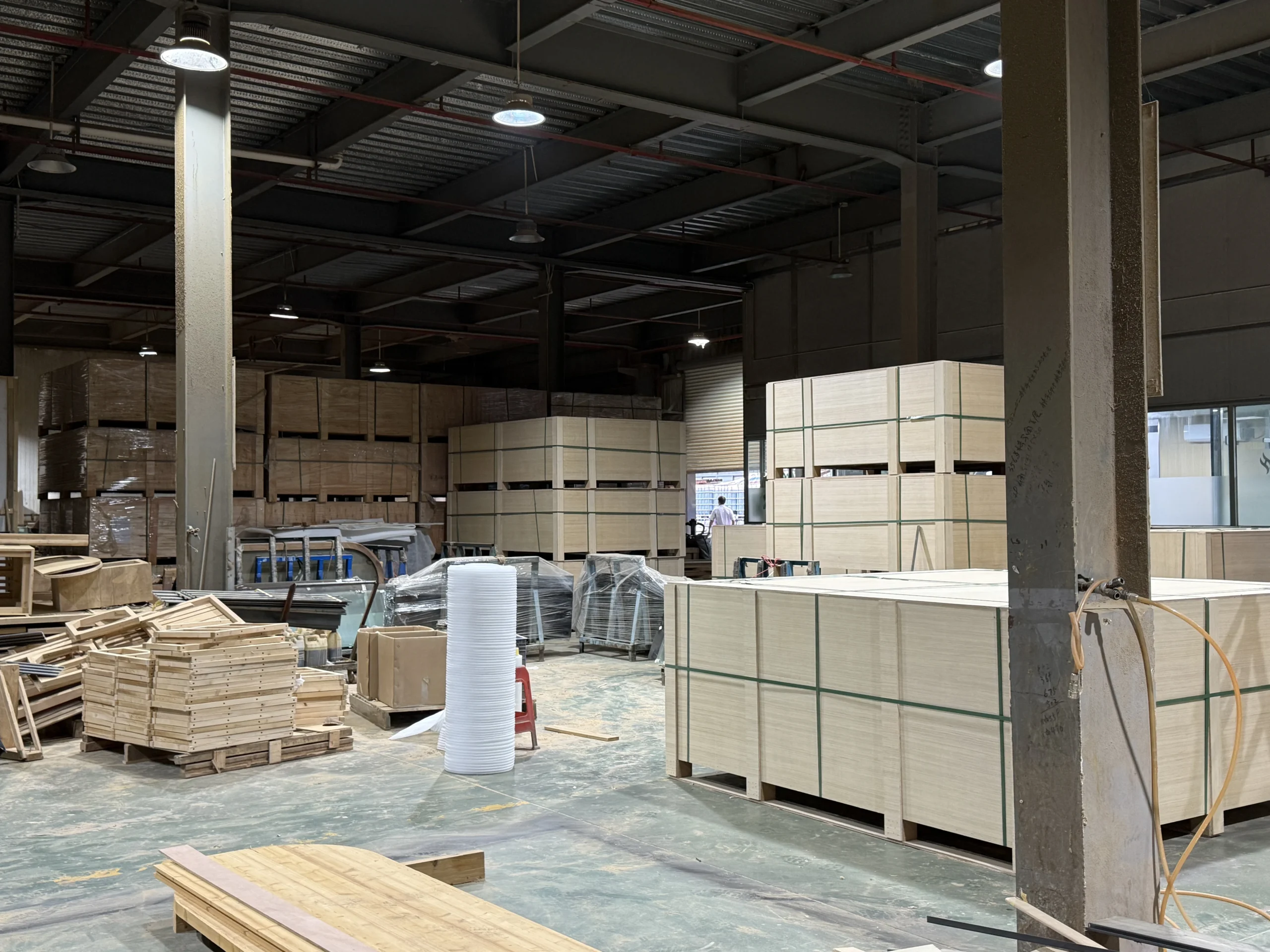
A sample may be used to review form, fit, interface, assembly, appearance or selected functional requirements where relevant. Acceptance of one sample should not automatically be treated as proof of repeatable production.
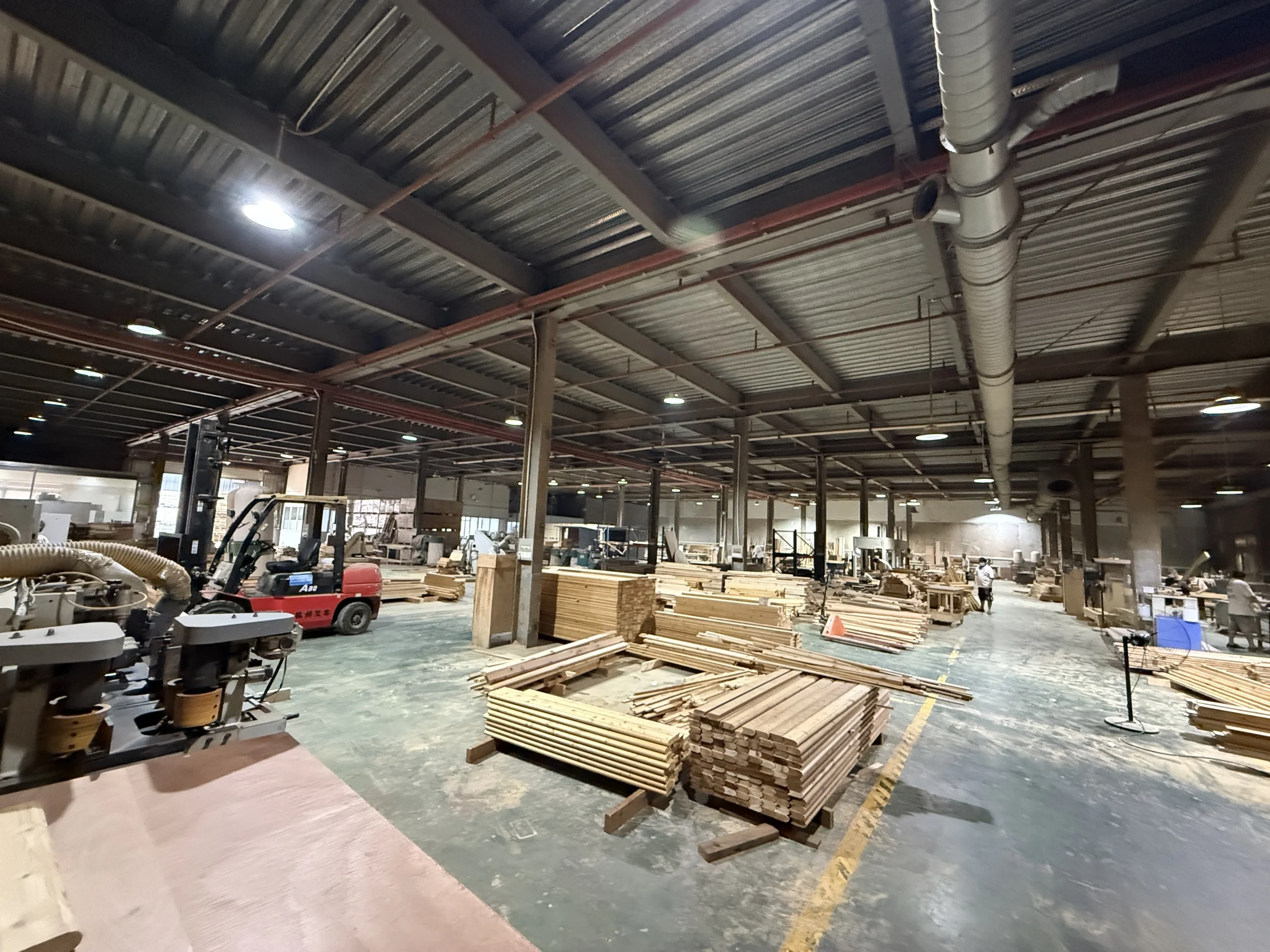
Repeat production needs a confirmed product definition, current drawings or specifications where applicable, component and material basis, required checks and documentation that reflect the intended production product.
Use Product Engineering for deeper feasibility, interface and drawing questions; OEM Manufacturing when the product basis is established and only reviewed changes remain; and Private Label when the main requirement is branding around a current product.
Send the problem to solve, intended user and market, current concept status, key requirements, interfaces, product-family context, expected quantity or project scale, required documents, target timing and the questions you need development to resolve.