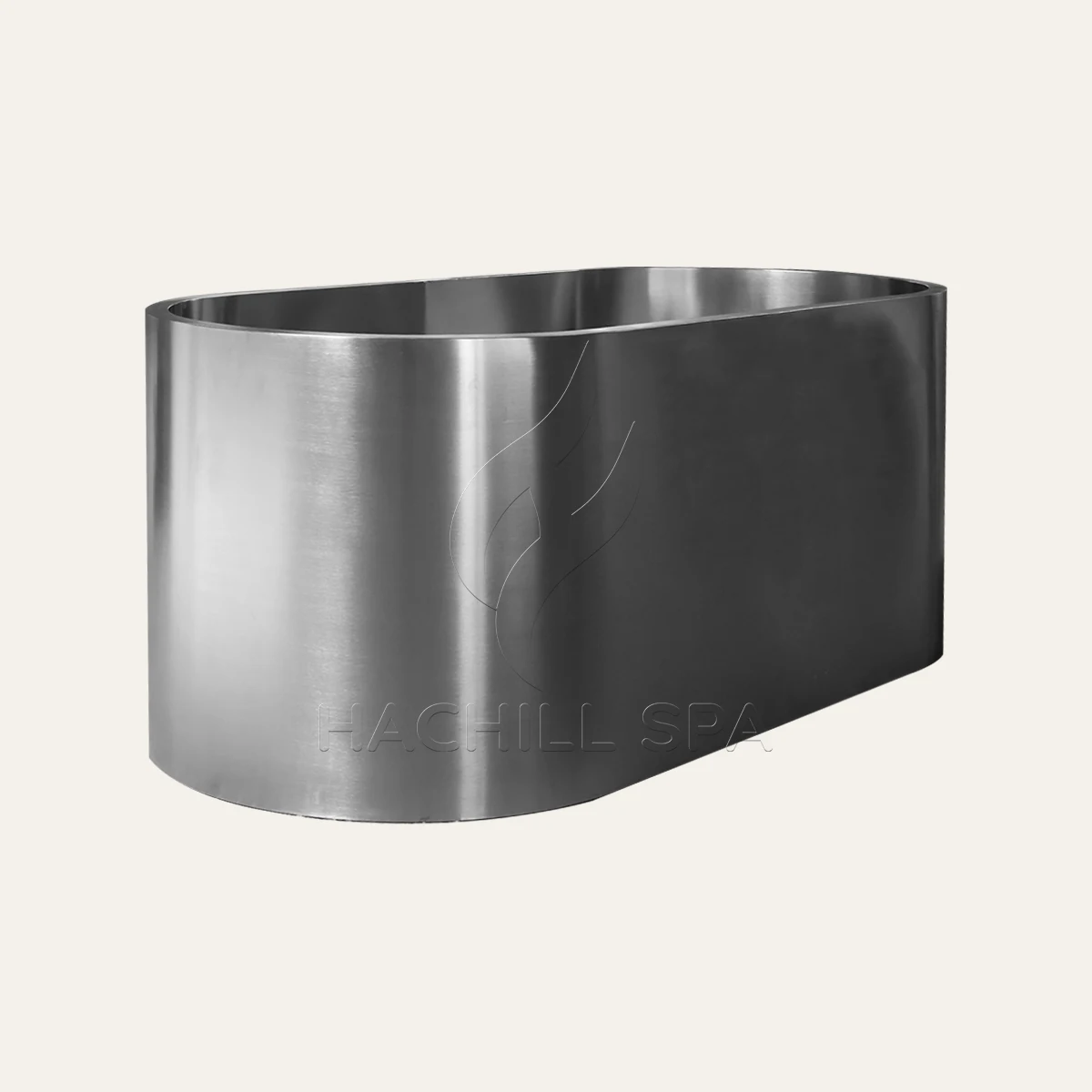
HACHILL’s current cold plunge range includes Upright and Laydown body formats, with stainless and Thermowood finish options represented across the current model range.
Start with the way users enter and use the tub and how the product needs to fit the site. Choose the body format first, refine the finish second, then continue to the relevant current CT model for exact product information and project-specific quotation requirements.
Selection sequence: body format first · finish option second · current model third.
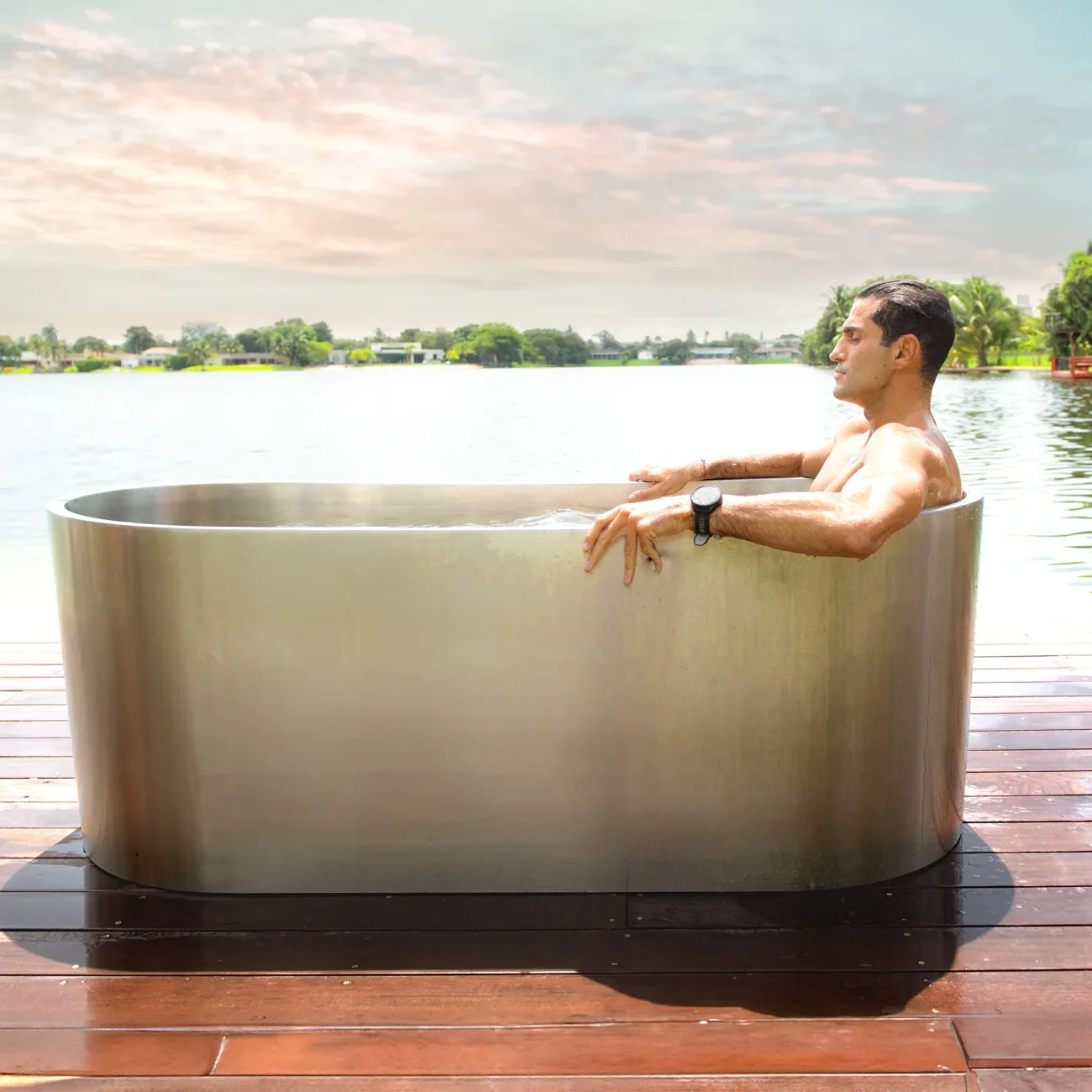
Start with the way users will enter and use the tub, then check how the body format fits the available site. Compare entry and exit, intended body position, floor area, surrounding access, delivery conditions and the space needed for the tub and external cooling equipment before narrowing the finish and exact model.
Start with Upright when the project should be evaluated around a more vertical entry-and-exit arrangement, including user access, overhead clearance, surrounding circulation and a compact floor relationship.
Start with Laydown when the project should be evaluated around a longer horizontal envelope, seated or reclining use, entry orientation, delivery path and surrounding service access.
If user posture, access or site geometry has not yet been decided, do not force the project into a model. Start with the intended use and available installation area, then narrow the body format before comparing exact products.
Upright and Laydown cold plunges belong to the same product family, but they create different user-access and site-planning conditions. Thermowood is a finish option, not a third body format, and CT27 remains a current commercial model whose format is not classified on this Hub.
Upright: More vertical entry-and-exit planning, including approach, step or access-aid needs where relevant and surrounding clearance.
Laydown: Longer seated or reclining-oriented use, with entry orientation and surrounding circulation becoming more prominent.
Upright: Check the floor relationship, vertical access, delivery route and model-specific service clearance.
Laydown: Check the longer footprint, orientation, delivery and turning route, entry position and surrounding service space.
Body format and finish are different decisions. After the Upright-versus-Laydown question is understood, refine the shortlist by the material or finish option represented in the current range.
Stainless construction is represented across the current range. Use the selected model page to review its exact material specification, dimensions and supplied configuration.
Thermowood is a material and finish option represented on CT15, CT16 and CT26. It can appear on more than one body format and should not be treated as an alternative to Upright or Laydown.
Finish choice helps narrow the product choice, while cooling and water-system requirements depend on the selected model and complete project configuration.
Continue to the relevant CT product page for exact dimensions, construction details, material specification, interfaces, supplied components and model-specific planning information.
Once the body format and finish direction are understood, continue to the current product range. Use the individual CT model pages for exact dimensions, construction, interfaces, supplied components and configuration-specific requirements.
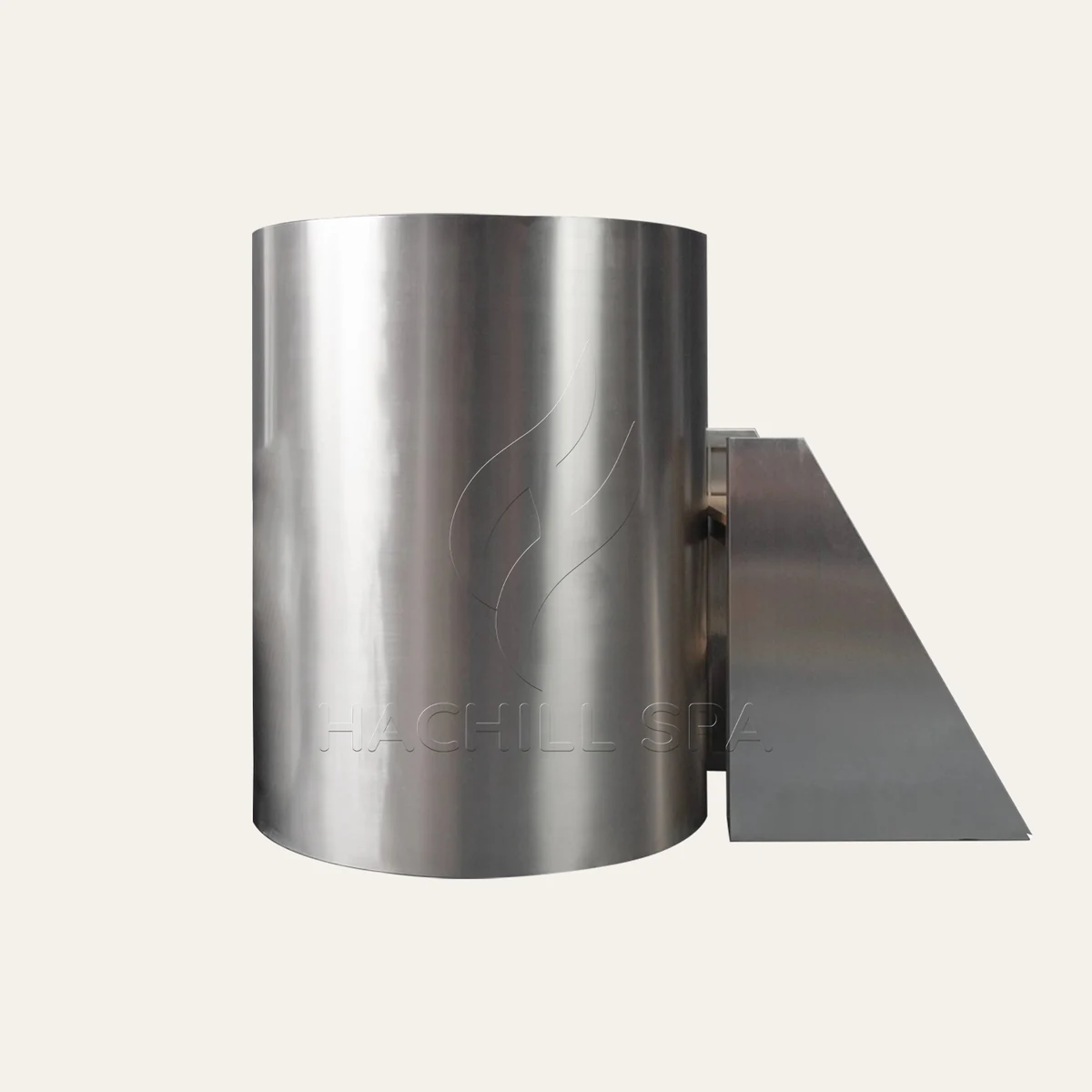
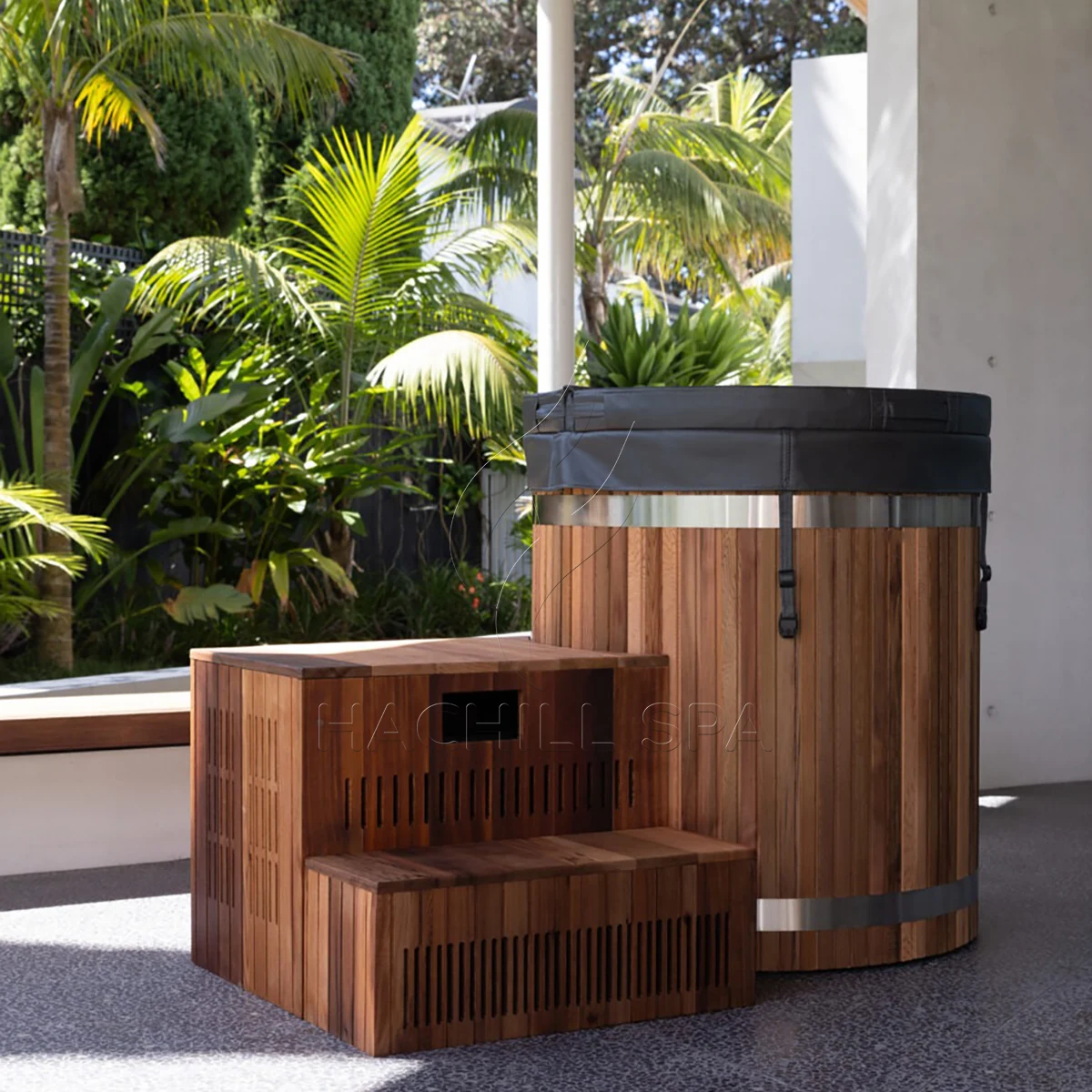
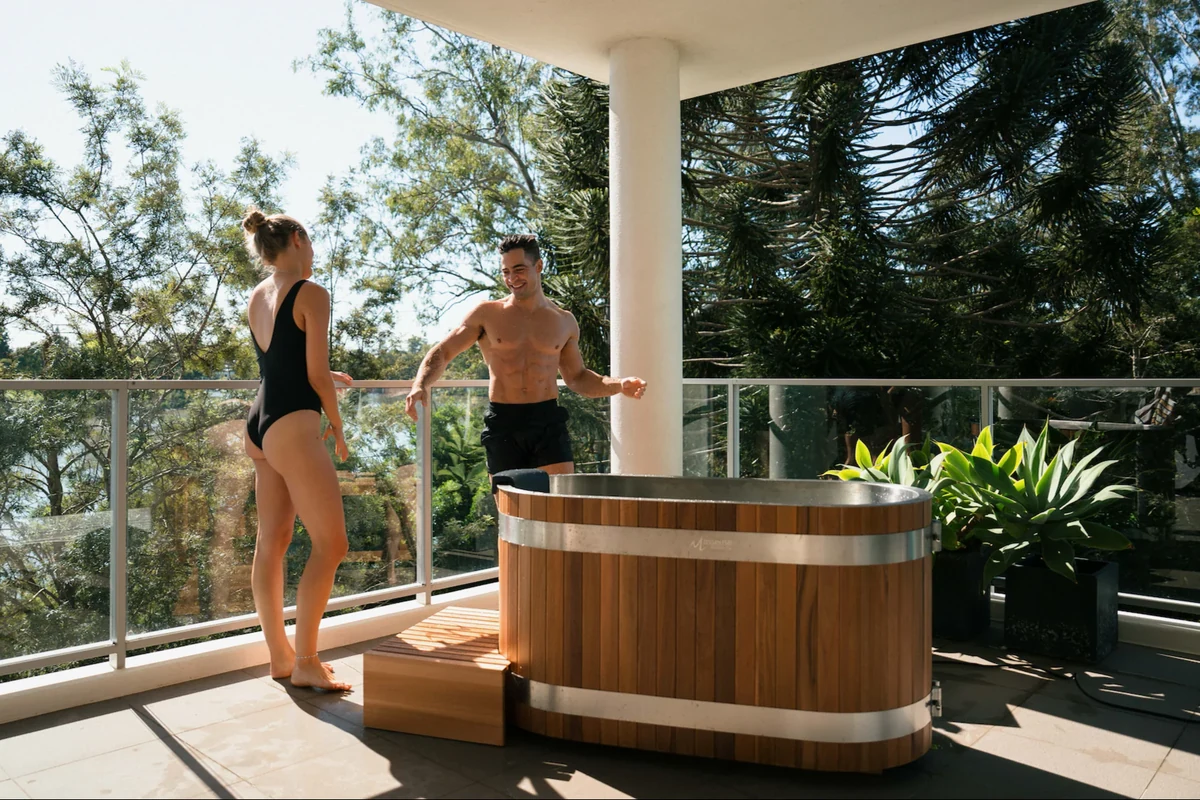
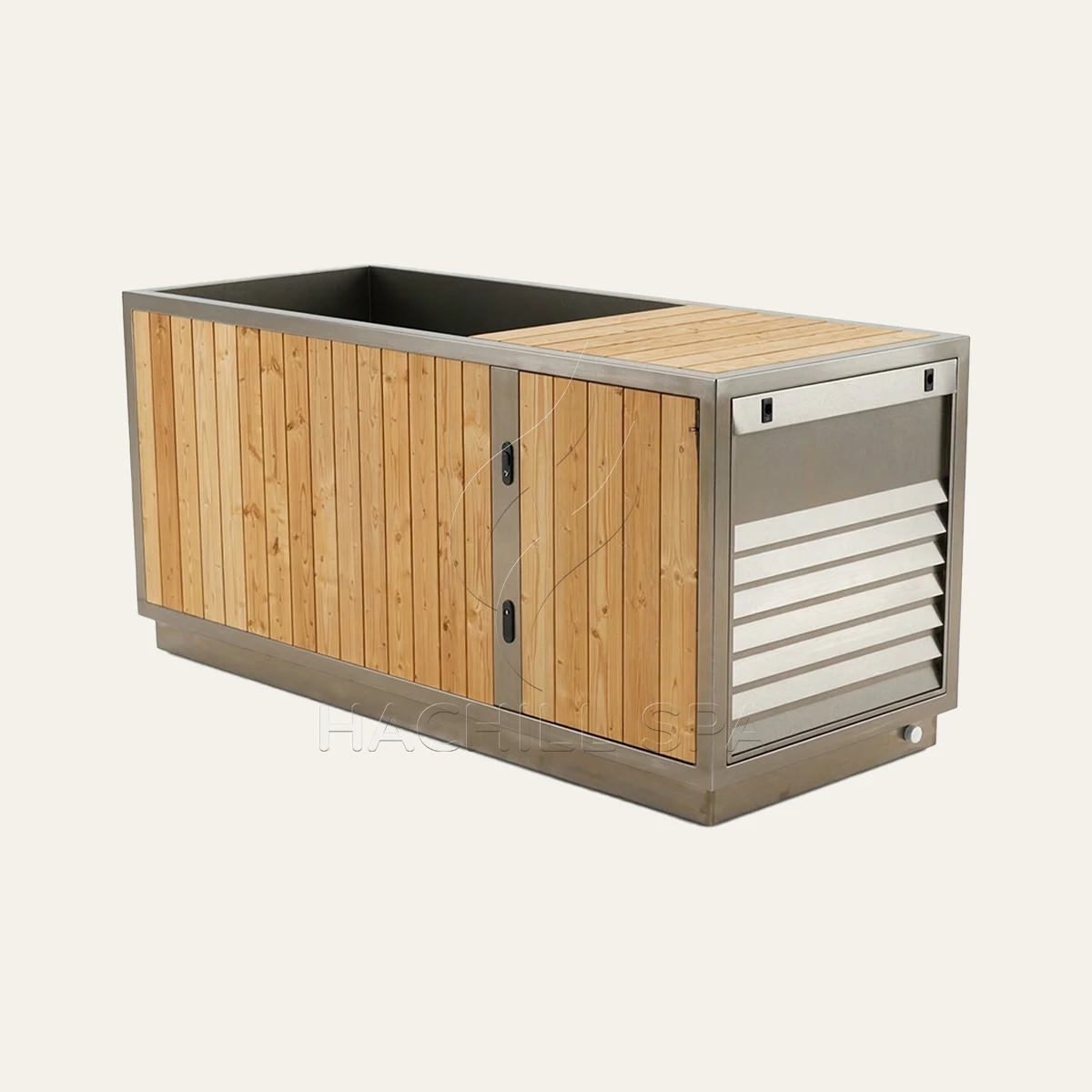
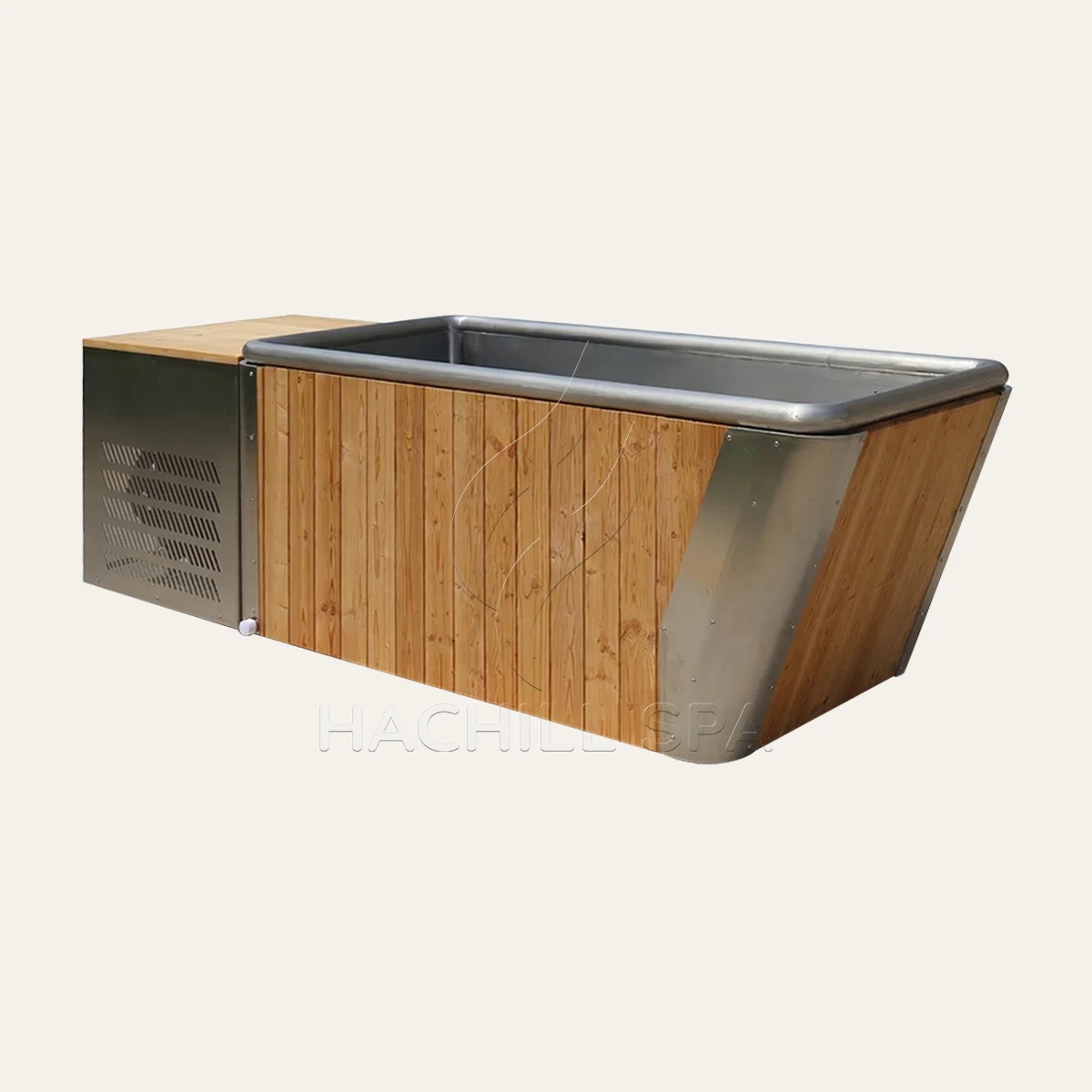
Current commercial model · format not classified on this Hub
The tub, external cooling arrangement and installation site need to work together. At Hub level, the goal is to narrow the most suitable route and model; detailed cooling and water-system decisions can follow during model and project review.
Provide intended users, Upright/Laydown/undecided status, available installation area, entry and exit needs, important access restrictions and private, commercial or hospitality context.
Note whether external cooling equipment has already been selected, where it could be located, and whether the cooling-system configuration still needs to be defined with the project.
At shortlist stage, identify fill and drainage access, indoor or outdoor context where known, surrounding wet-area requirements and obvious service-access constraints.
For wholesale, OEM or commercial supply, include destination market, quantity, buyer context, branding or private-label needs, packaging requirements and important documentation requirements.
Continue here when vertical entry and a more compact floor relationship remain the stronger route.
Continue here when a longer horizontal body format and seated or reclining use remain the stronger route.
Continue here when the buyer wants to review Thermowood-finished options across the available body formats.
Use these guides after narrowing the product choice when you need more detail on cooling-system matching, drainage planning or temperature and chiller settings.
Review the main factors that need to align between the selected cold plunge tub, external chiller and installation site.
Review drainage, cleaning water and surrounding wet-area considerations for Laydown cold plunge installations.
Review how controller settings, measured water conditions and the selected cooling system relate to project operation.
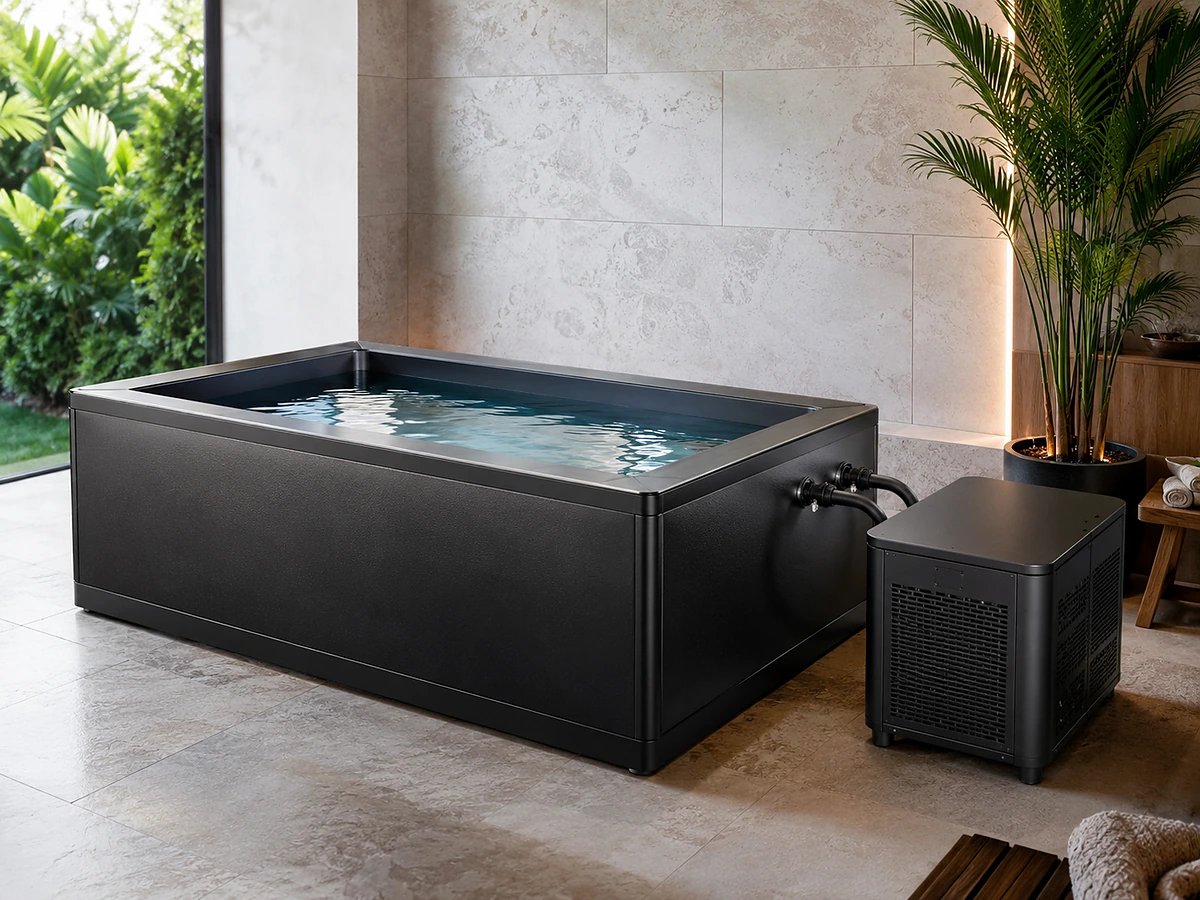
Send the body-format status, preferred finish if known, model under consideration if known, intended application, destination, quantity, available site, indoor or outdoor context if known, cooling-system status and any OEM or branding requirements.
HACHILL can use this information to narrow the most relevant product selection before detailed model and project requirements are finalized.