HACHILL engineering guide · Sauna
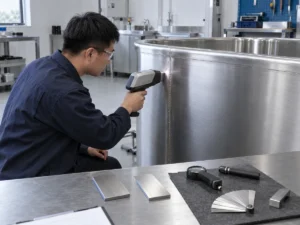
Direct answer: Wood is widely used for sauna benches and interior lining because its thermal conductivity is far lower than that of common structural metals, so it transfers heat to the body more slowly under comparable conditions. It can also be machined into smooth contact surfaces, detailed to accommodate moisture-related movement and drying, and repaired or replaced as individual components. But “sauna wood” is not one material specification: density, moisture behavior, resin or extractives, knots, splintering, fasteners, finish and the part’s use zone all affect the final result.
The useful question is not simply “Which wood species is best?” A body-contact bench, interior wall lining, concealed support and exterior cladding perform different jobs and should not be selected from the same checklist.
Why Wood Is Used for Sauna Benches and Interior Lining
The USDA Forest Products Laboratory Wood Handbook reports that the thermal conductivity of common structural woods is much lower than that of common metals used in construction. That difference helps explain why correctly selected timber is practical for benches, backrests and interior lining where people may touch the surface.
Low thermal conductivity does not mean that wood stays cool or that every board is automatically safe. Surface temperature and touch comfort still depend on the material, density, moisture condition, finish, exposure time and the complete assembly. Exposed fastener heads or other high-conductivity hardware can create a very different contact condition from the surrounding timber.
Wood is also workable: it can be machined into smooth profiles, eased at exposed edges, joined in replaceable components and finished to suit a defined use zone. Glass, metal, tile and other materials may still be used elsewhere in a sauna, but their location and detailing should match the function of the part rather than copying bench-surface logic.
Bench and backrest components therefore need smooth machining, stable joints and protected or appropriately located fasteners rather than a species name alone.
Wood Moves With Moisture, So the Detail Must Allow It to Dry
Wood is hygroscopic: it exchanges moisture with the surrounding air. Changes in moisture content can produce dimensional change across the grain, which is why drying, storage, board width, grain orientation, spacing and fastening all matter in a sauna assembly.
USDA Forest Products Laboratory guidance on drying and moisture control explains that correct drying, handling and storage can limit unwanted moisture-content changes and the dimensional problems that follow when wood enters service.
Lower benches, end grain, removable slats and wall/floor junctions deserve particular attention because trapped moisture and restricted drying can turn a good material choice into a poor assembly.
Compare Verified Properties, Not Wood Marketing Labels
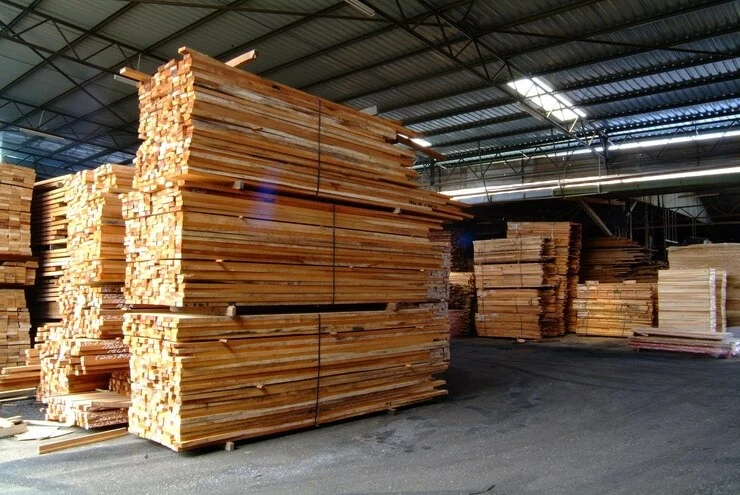
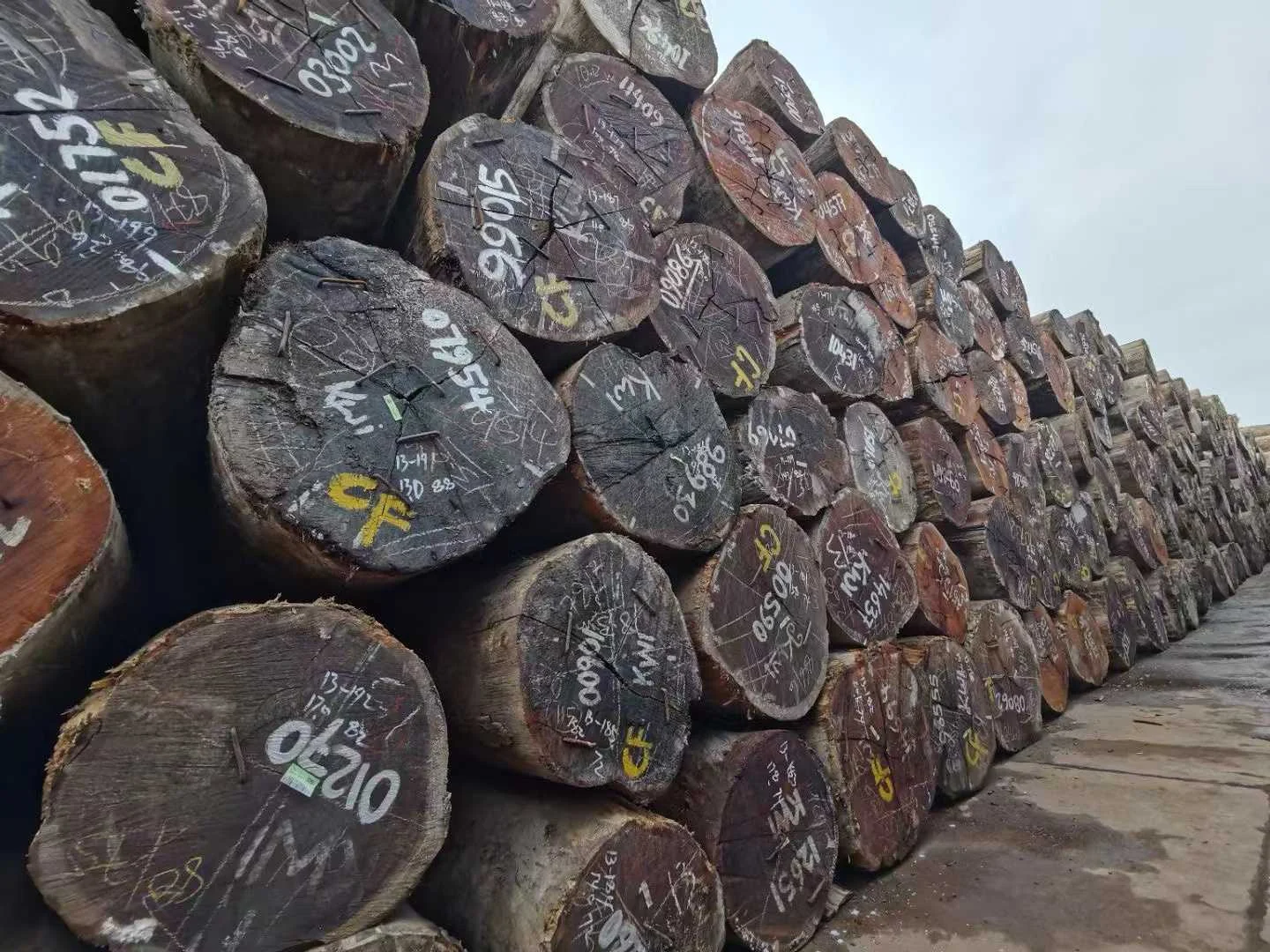
A species name is a starting identifier, not a performance guarantee. Selection may need to consider density, resin or extractives, odor, knots, surface quality, availability, sourcing, treatment status and how the finished component will be used.
Thermally modified timber also should not be accepted from a trade term alone. The supplier should identify the actual species or material, treatment status, intended use and supporting documentation because thermal modification changes wood properties and the result depends on both the source material and the process.
If appearance matters commercially, approve a representative production sample and define how natural variation and heat-related color change will be judged.
Match Timber Criteria to the Sauna Use Zone
The strongest specification starts with the component rather than the species. A bench/contact surface, wall lining, concealed support and exterior cladding should not inherit the same acceptance criteria.
| Use zone | Main concerns | Evidence to verify | Common mistake |
|---|---|---|---|
| Bench / backrest | Touch behavior, smoothness, splinters, knots, staining and exposed hardware | Material/grade, representative sample, machining, finish and fastener detail | Selecting from color or species name alone |
| Wall / ceiling lining | Moisture movement, joints, heat exposure, penetrations and cleanability | Moisture condition, profile, fixing method and finish specification | No allowance for movement or penetrations |
| Concealed support | Structural duty, moisture exposure and fastening | Applicable grade/design basis and fixing specification | Using cosmetic appearance as a substitute for structural criteria |
| Exterior cladding | Rain, UV, drainage, drying and coating maintenance | Exterior material/finish system and maintenance requirements | Copying an interior timber treatment to exterior service |
For each zone, define the approved material or alternatives, grade, moisture-control requirements, dimensions, surface condition, fixing method, finish and substitution process.
Good Wood Can Still Fail if Production Details Are Poor
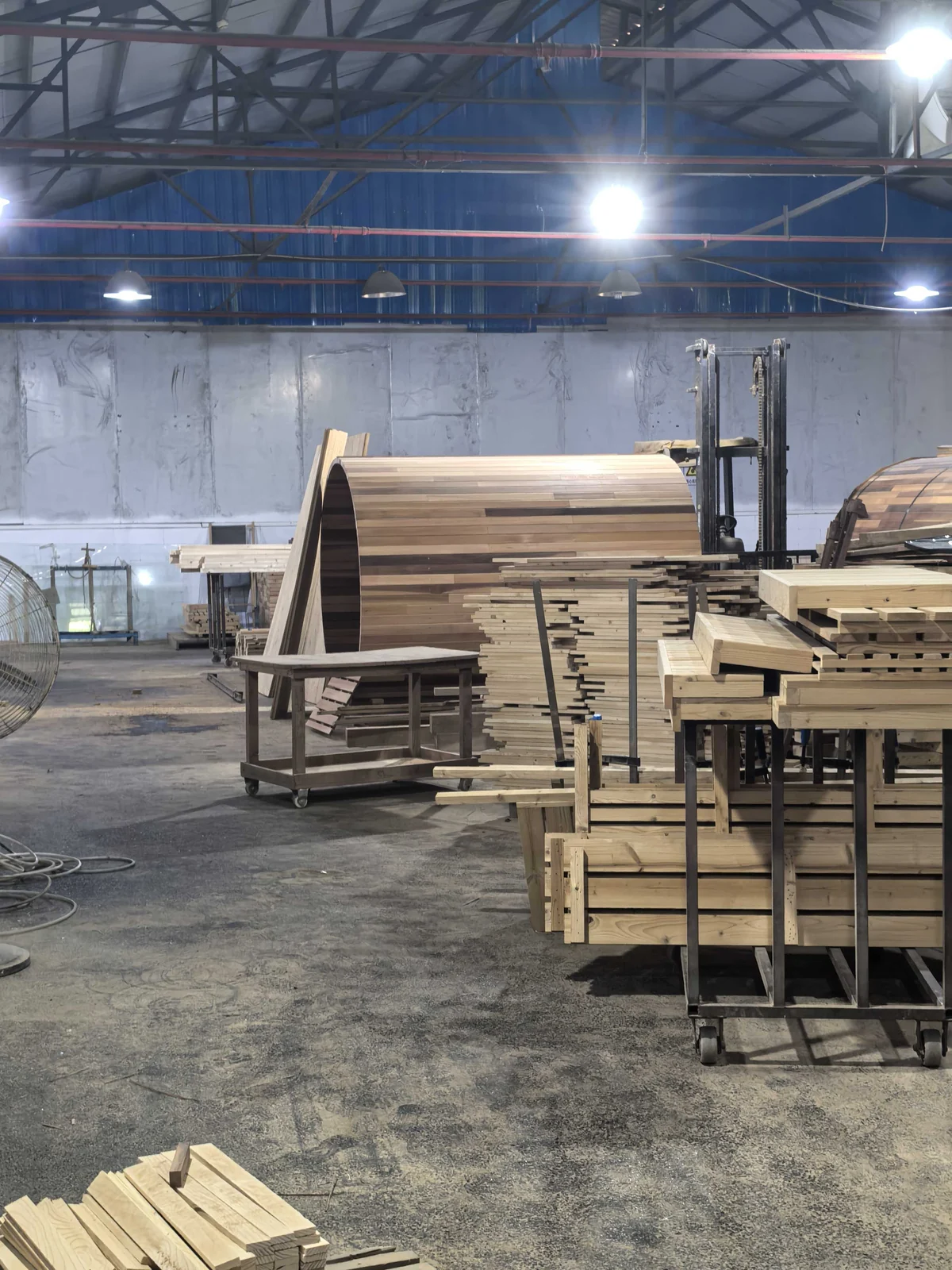
Species selection cannot compensate for poor machining, uncontrolled moisture, unsuitable fasteners, trapped water or damaged packaging.
Contact surfaces
Bench faces and backrests need smooth machining and eased edges, while underside and removable interfaces still need enough access for inspection and drying.
Fasteners and local wetting
Fastener selection, countersinking, repeated wetting and cleaning chemistry can influence corrosion or staining around fixings. An unexplained dark streak should be investigated rather than automatically hidden under a finish.
Packing and storage
Packaging should protect timber from rain, contamination and handling damage while maintaining the specified storage condition. At receiving, inspect labels, packaging, distortion and surface condition before the material disappears into production or an uncontrolled construction environment.
Specify the Timber and the Evidence You Expect to Receive
A procurement line that says only “cedar,” “hemlock,” “spruce” or “thermowood” leaves too much unresolved. The specification should connect each component with the evidence needed to accept it.
| Item | Define before production | Verify at receiving / QA |
|---|---|---|
| Use zone | Bench, backrest, lining, framing or exterior | Part identification matches the approved bill of materials |
| Material declaration | Species, grade, treatment status and approved alternatives | Documentation and representative material agree |
| Moisture control | Manufacturing, packing and storage requirements | No wet packaging, severe distortion or uncontrolled storage condition |
| Machining / fixing | Surface, edges, joints and fastener requirements | Contact surfaces and hardware match the approved detail |
| Finish | Product identity, location and application boundary | Finish documentation and care instructions are supplied |
| Appearance / substitution | Approved sample, acceptable variation and change-control method | Production material remains inside the approved range |
A compact buyer checklist
- Define each timber use zone separately.
- Verify species or trade name, grade and treatment status.
- Define moisture-control, storage and substitution procedures.
- Review knots, splinters, resin or extractives and fastener exposure where people touch the wood.
- Allow movement, drainage and drying access in the assembly.
- Confirm that any finish is documented by its manufacturer as suitable for the actual heated surface and contact condition.
- Retain a representative sample where appearance is an acceptance criterion.
If certified sourcing is a project requirement, verify the claim through the applicable chain-of-custody documentation rather than assuming a timber species or supplier description proves certification. The Forest Stewardship Council Chain of Custody system is designed to identify and track FSC-certified material through manufacturing and distribution.
Frequently Asked Questions
Why are sauna benches not made of metal?
Common metals transfer heat much more rapidly than wood, so an exposed metal surface can deliver heat to the skin much faster under comparable conditions. Correctly selected timber is therefore better suited to benches because of its lower heat transfer, machinability and ability to form smooth contact surfaces. The final assembly still needs appropriate detailing and protected or correctly located hardware.
What is the best wood for a sauna?
There is no universal best species. The better choice depends on the use zone and verified properties such as moisture behavior, density, resin or extractives, surface quality, available grade, treatment, sourcing and production quality.
Can any cedar be used in a sauna?
No species or trade label is enough by itself. Verify the actual material, grade, moisture condition, surface quality, resin or odor characteristics, treatment status and supplier documentation for the intended component.
Why does sauna wood change color?
Wood appearance can change with heat exposure, light, oxidation, moisture, cleaning and natural extractives. If appearance matters, define acceptable aging and variation instead of treating the fresh production color as permanent.
Should sauna wood be treated?
Only use a finish or treatment whose manufacturer documents it as suitable for the specific sauna surface, temperature exposure and contact condition. An exterior coating or general furniture finish should not automatically be assumed suitable for a heated interior or body-contact surface.
Related HACHILL Resources
How to Clean Sauna Wood
Continue with the installed-surface maintenance decision after the timber and finish are known.
How to Build a Sauna
Continue into the wider wall, ventilation, heater and installation interfaces after the timber-selection question is resolved.
Explore Sauna Categories
Move from material selection into the relevant sauna product family.
Product Engineering & Technical Review
Continue when material selection needs to be coordinated with the wider sauna assembly or project specification.
Manufacturing Capabilities
Review production and quality-control scope separately from this material-selection guide.
Request a Material or Sauna Project Review
Use the project route after the relevant timber zones, material expectations and quantity are defined.
Reference Basis
- USDA Forest Products Laboratory: Moisture Relations and Physical Properties of Wood (2021) — wood-moisture relationships, dimensional stability, density and thermal properties.
- USDA Forest Products Laboratory: Drying and Control of Moisture Content and Dimensional Changes (2021) — drying, handling, storage and moisture-control context.
- Forest Stewardship Council: Chain of Custody Certification — verification route when FSC-certified sourcing is specified.
Write the Sauna Timber Brief by Use Zone
If the project is moving from research into procurement, provide the sauna type, timber use zones, indoor or outdoor exposure, appearance requirement, finish, moisture-control expectations, quantity and acceptance criteria. HACHILL can then review the material and manufacturing interface without treating one wood species as universally suitable.
Start a Project Enquiry